Most people think of a missing tooth as a gap in their smile. What they do not realize is that the real damage happens out of sight, beneath the gum line, where the jawbone begins to break down almost immediately after a tooth is lost. That bone loss is what drives the facial changes commonly associated with aging — the hollowed cheeks, the compressed lower face, the deepened wrinkles around the mouth — and it progresses steadily as long as the root is not replaced. Dental implants are the only tooth replacement option that addresses this at the source.
At Simpson Dental PLLC, Dr. Christen Simpson Raynes and Dr. Chase Preston help patients understand that choosing dental implants is not just a cosmetic decision. With our on-site lab and advanced technology, we provide implant solutions that restore both function and facial support — often completing the process in as little as one day. Our practice has been serving Charleston since 1948, and preserving long-term oral health has always been at the center of how we approach tooth replacement.
What Happens to Your Jawbone When You Lose a Tooth
Every tooth has a root that extends into the jawbone. That root does more than anchor the tooth — it transmits force from chewing into the bone, which signals the body to maintain bone density in that area. When the tooth is gone, the signal stops. Without stimulation, the body begins resorbing the bone, essentially dissolving it because it perceives the tissue as unnecessary.
This process begins quickly. The CDC notes that about one in five adults aged 65 and older has lost all their natural teeth, and bone loss in untreated cases is a primary driver of the facial collapse that accompanies full tooth loss. Research indicates that the jawbone can lose up to 25% of its width in the first year after tooth extraction, and the resorption continues at a slower rate from there.
How Bone Loss Changes Your Appearance
The lower third of your face — the area from your nose to your chin — depends on jawbone structure to maintain its shape and proportion. When that structure erodes, a predictable set of changes follows.
The following changes are among the most common that patients and clinicians observe as jawbone loss progresses:
- Cheek hollowing: Loss of bone and dental support causes the cheeks to sink inward, creating a gaunt or hollow appearance
- Vertical face collapse: The distance between the nose and chin decreases as the jawbone shrinks, making the lower face appear compressed
- Deepened wrinkles: Skin around the mouth loses its underlying support and folds more deeply, particularly at the corners of the mouth
- Lip thinning: Lips lose volume and definition as the dental support structure behind them disappears
- Downturned mouth corners: The corners of the mouth may turn downward even at rest, giving a permanently unhappy expression
These changes do not happen overnight, but they progress steadily and become more pronounced over time. Many patients who have worn traditional dentures for years describe feeling that they look significantly older than they are, not realizing that it is the continued bone loss beneath their dentures driving those changes.
Why Dentures Alone Do Not Stop Facial Aging
Traditional dentures replace the visible parts of missing teeth, but they do not replace the roots. Without a root-level stimulus, the jawbone beneath a denture continues to resorb. Over time, the denture itself becomes loose and ill-fitting as the bone shrinks away, requiring periodic relining or replacement. The facial collapse continues unchecked.
Implant-supported dentures change this equation. By anchoring a denture to two or four implants surgically placed in the jawbone, the roots are functionally replaced — the implants transmit chewing forces into the bone and prevent the resorption that drives facial aging. Patients who transition from traditional dentures to implant-supported solutions often report that their facial appearance stabilizes and, in some cases, improves as surrounding tissues respond to restored support.
How Dental Implants Preserve Your Facial Structure
A dental implant is a titanium post placed directly into the jawbone, where it integrates with the surrounding bone through a process called osseointegration. Once integrated, the implant functions like a natural tooth root — stimulating the bone with every bite and maintaining the density and volume that supports your face.
This is the core reason implants are the standard of care for tooth replacement in patients who are good candidates. A bridge or a traditional denture restores aesthetics and function, but only an implant restores the root-level stimulation that keeps the bone alive. The result is preserved facial height, maintained cheek support, and prevention of the premature aging that follows untreated tooth loss.
The Same-Day Advantage at Simpson Dental
For patients missing multiple teeth or a full arch, our on-site lab makes a meaningful difference. Many practices send restoration work to outside labs, which extends the timeline and limits the precision of coordination between the clinical and lab teams. At Simpson Dental, our three full-time lab technicians — with a combined 60 years of experience — work alongside our doctors to design and craft custom restorations in-house.
This is what allows us to complete same-day dentures and, in qualifying cases, same-day implant-supported solutions. Patients walk in with missing teeth and leave with a complete, functional smile that immediately begins providing the bone stimulation necessary to preserve their facial structure. For patients considering full arch implants, our team can walk you through what same-day options may look like for your case. Learn more about the doctors behind your care on our meet our doctors page.
Simpson Dental PLLC: Your Partner in Lasting Oral Health
Dr. Christen Simpson Raynes and Dr. Chase Preston continue the family tradition started in 1948 by Dr. Bob Simpson, bringing generational expertise and the most advanced dental technology available to patients in Charleston, West Virginia. We understand that replacing missing teeth is about more than filling gaps — it is about preserving the facial structure, function, and confidence that allow our patients to live fully and comfortably.
If you are ready to explore how dental implants can restore both your smile and your facial appearance, we are here to help you take the first step. Schedule a consultation through our contact form and let us evaluate your specific situation and discuss the options that make sense for you.
Frequently Asked Questions About Missing Teeth and Facial Aging
How quickly does bone loss begin after losing a tooth?
Bone resorption begins within weeks of tooth loss and progresses most rapidly in the first year. Research suggests the jawbone can lose up to 25% of its width in the first twelve months after extraction, with continued slower loss thereafter. This is one reason early replacement with an implant — or bone grafting at the time of extraction — is often recommended.
Bone resorption begins within weeks of tooth loss and progresses most rapidly in the first year. Research suggests the jawbone can lose up to 25% of its width in the first twelve months after extraction, with continued slower loss thereafter. This is one reason early replacement with an implant — or bone grafting at the time of extraction — is often recommended.
Can dental implants reverse facial aging caused by tooth loss?
Implants stop the progression of bone loss and preserve the facial support structure going forward. Whether they can reverse changes that have already occurred depends on how much bone loss has taken place. In early to moderate cases, surrounding tissues can respond positively to restored support. In advanced cases, additional procedures or combination treatments may be discussed.
Implants stop the progression of bone loss and preserve the facial support structure going forward. Whether they can reverse changes that have already occurred depends on how much bone loss has taken place. In early to moderate cases, surrounding tissues can respond positively to restored support. In advanced cases, additional procedures or combination treatments may be discussed.
Do dentures prevent the facial changes that come with missing teeth?
Traditional dentures do not prevent bone loss because they do not replace the tooth root. The pressure of a denture resting on the gums can actually accelerate bone resorption in some cases. Implant-supported dentures, which anchor to implants in the jawbone, are much more effective at preserving bone and the facial structure it supports.
Traditional dentures do not prevent bone loss because they do not replace the tooth root. The pressure of a denture resting on the gums can actually accelerate bone resorption in some cases. Implant-supported dentures, which anchor to implants in the jawbone, are much more effective at preserving bone and the facial structure it supports.
How many teeth do I need to lose before facial changes become noticeable?
Even a single missing tooth causes localized bone loss in the area of the gap, though the visible changes are usually subtle until multiple teeth are lost or significant time has passed. Patients who lose several teeth — particularly in the lower jaw — tend to experience more pronounced facial changes more quickly, since the lower jaw provides much of the structural support for the lower face.
Even a single missing tooth causes localized bone loss in the area of the gap, though the visible changes are usually subtle until multiple teeth are lost or significant time has passed. Patients who lose several teeth — particularly in the lower jaw — tend to experience more pronounced facial changes more quickly, since the lower jaw provides much of the structural support for the lower face.
Am I too old to get dental implants if I have already experienced bone loss?
Age is not a disqualifier for dental implants. Older patients with adequate bone density and good general health are often excellent candidates. Patients with significant bone loss may qualify with the help of bone grafting to rebuild the foundation before implant placement. A consultation with Dr. Raynes is the best way to assess your current bone volume and discuss realistic options.
Age is not a disqualifier for dental implants. Older patients with adequate bone density and good general health are often excellent candidates. Patients with significant bone loss may qualify with the help of bone grafting to rebuild the foundation before implant placement. A consultation with Dr. Raynes is the best way to assess your current bone volume and discuss realistic options.
ABOUT THE AUTHOR
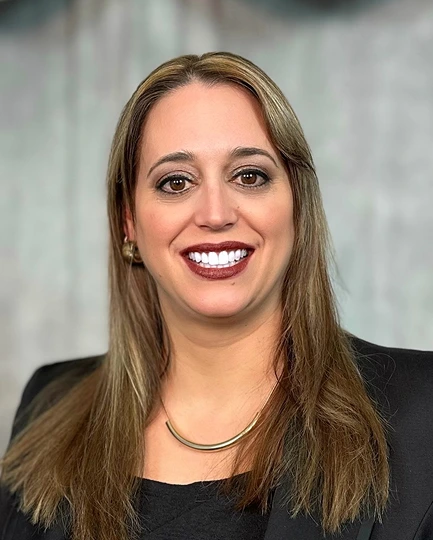
Dr. Christen Simpson Raynes
Dentist, Simpson Dental PLLC — Charleston, WV
Dr. Christen Simpson Raynes is a third-generation dentist at Simpson Dental PLLC in Charleston, West Virginia, a practice her family founded in 1948. She and her partner Dr. Chase Preston have collectively restored over 6,000 dental implants and lead a team that delivers same-day implant solutions through an on-site lab staffed by technicians with a combined 60 years of experience.