When you need oral surgery in Charleston, WV, you want a team with advanced technology, surgical expertise, and the ability to handle complex cases in-house. Simpson Dental PLLC offers a comprehensive range of oral surgery services for patients throughout West Virginia, Ohio, and Kentucky — from wisdom teeth extractions and bone grafting to implant placement and emergency oral surgery. Dr. Christen Simpson Raynes and Dr. Chase Preston utilize CO2 laser technology, Piezo ultrasonics, and cone beam CT imaging to deliver precise, minimally invasive surgical outcomes. As a three-generation family practice with an on-site surgical and lab team, we provide the kind of coordinated care that eliminates the delays and handoffs common at practices that refer out.
Wisdom Teeth Removal
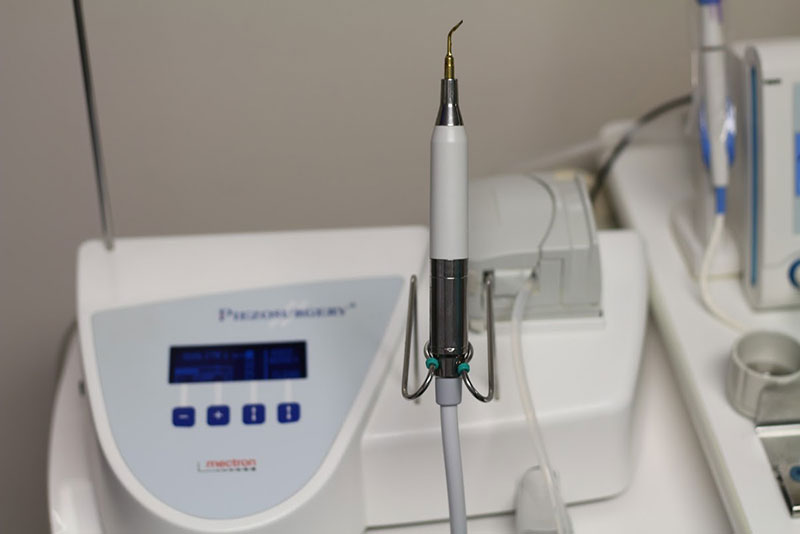
Wisdom teeth — the third molars — are the most commonly extracted teeth in the country. They frequently emerge at angles that crowd adjacent teeth, become partially or fully impacted in the jawbone, or create pockets where bacteria collect and infections develop. Left in place, problematic wisdom teeth cause pain, shifting, cysts, and damage to neighboring molars. At Simpson Dental, we perform both simple and surgical wisdom teeth extractions with the precision of CO2 laser and Piezo technology, which significantly reduces post-operative bleeding and speeds healing compared to traditional methods.
We use cone beam CT scans to map root anatomy and proximity to the inferior alveolar nerve before any surgical extraction — eliminating guesswork and reducing the risk of complications. Sedation options ranging from nitrous oxide to oral sedation keep you comfortable throughout. Most patients return to normal activities within a week.
Surgical Tooth Extractions in Charleston, WV
Not every extraction is straightforward. Broken teeth below the gumline, teeth with curved or multiple roots, and teeth fused to the jawbone all require surgical technique. Our team handles complex surgical tooth extractions in-house rather than referring patients out — meaning you stay with the providers who know your history, your imaging, and your care plan. We use Piezo ultrasonic technology for surgical extractions, which selectively cuts bone without damaging soft tissue, reducing trauma, swelling, and recovery time.
Dental Implant Placement in Charleston, WV
Once a tooth is extracted, implant placement preserves the jawbone and restores full chewing function. Simpson Dental performs the complete implant surgery cycle — from extraction and bone grafting through implant placement and restoration — without referrals to outside specialists. Our on-site lab then fabricates the final crown or bridge, shortening your total treatment timeline dramatically. We use CT-guided planning to position implants with precision, maximizing bone engagement and long-term stability. Learn more on our dental implants page.
Oral Surgery Financing
Oral surgery costs vary depending on the complexity of the procedure, sedation used, and whether bone grafting or implant placement is involved. Simpson Dental accepts most major insurance plans and offers flexible financing through CareCredit and Proceed Finance so cost doesn’t delay necessary treatment. Our team will provide a clear estimate and review all coverage options before any procedure begins.
Bone Grafting for Implant Placement
When a tooth is lost, the jawbone beneath it begins to resorb — losing height and width over time. This bone loss is why delayed implant placement becomes more complex: there simply isn’t enough bone volume to anchor an implant securely. Bone grafting rebuilds that foundation, creating the density needed for a successful implant outcome.
At Simpson Dental, we offer several grafting options depending on your anatomy and goals. Autogenous grafts use your own bone — the gold standard for integration. Allograft material (processed donor bone) provides a reliable scaffold when harvesting your own bone isn’t practical. Xenograft (bovine-derived) material offers structural support with excellent biocompatibility. For patients needing significant volume replacement, we also use advanced techniques including demineralized bone matrix (DBM) and bone morphogenetic proteins (BMPs) that signal the body to produce new bone growth.
After grafting, the site heals for several months before implant placement — a timeline we map out clearly at your consultation using CT scan measurements of your existing bone volume. Not every implant candidate needs a graft; some patients have sufficient bone and move directly to implant surgery.
Emergency Oral Surgery in Charleston, WV
Dental emergencies that require surgical intervention — severe infections, dental abscesses spreading to the jaw, traumatic tooth fractures, and avulsed teeth — can’t wait. Simpson Dental maintains same-day availability for urgent oral surgery cases. If you’re experiencing acute pain, swelling in the jaw or neck, or facial trauma, call our office at (304) 342-6162 immediately. Our team will assess you same-day and perform necessary surgical intervention to eliminate the infection or stabilize the injury.
Oral Pathology and Biopsy Services
Unusual tissue changes in the mouth — white patches, unexplained lumps, persistent sores, or discoloration — should always be evaluated. Our team performs oral biopsies using minimally invasive technique to sample suspicious tissue for laboratory analysis. Jaw cysts, which frequently develop around impacted teeth, are removed surgically to prevent damage to surrounding bone and teeth. Early detection of abnormal tissue significantly improves treatment outcomes. If something in your mouth doesn’t look or feel right for more than two weeks, schedule an evaluation.
What to Expect After Oral Surgery
Recovery varies by procedure, but most patients are back to normal activities within one to two weeks of wisdom teeth removal or surgical extraction. The first 48 to 72 hours involve the most swelling and discomfort; this is normal and managed with prescribed pain control and ice application. Bone graft sites heal over several months as new bone forms. Our team provides detailed written post-operative instructions at discharge and remains available for follow-up questions throughout your recovery. We schedule a post-op check to monitor healing and address any concerns.
Why Choose Simpson Dental for Oral Surgery in Charleston, WV?
Most general dental practices refer complex oral surgery cases out. Simpson Dental handles them in-house — wisdom teeth, bone grafting, implant placement, biopsies, and emergency surgery — using specialist-level technology and surgical training. Our CO2 laser reduces post-operative bleeding and infection risk. Our Piezo technology protects soft tissue during bone work. Our cone beam CT scanner provides 3D imaging that reveals anatomy no 2D X-ray can show. And our on-site lab means your restoration follows your surgery without a gap of weeks or months.
Dr. Christen Simpson Raynes and Dr. Chase Preston have invested in the training and technology to deliver outcomes that rival standalone oral surgery practices — in a family dental environment where you’re known by name, not case number. Schedule your oral surgery consultation or call (304) 342-6162.
Frequently Asked Questions about Oral Surgery
Is oral surgery painful? What sedation options do you offer?
How long is wisdom teeth removal recovery?
Do I need a referral to see an oral surgeon at Simpson Dental?
What is the difference between a simple and surgical tooth extraction?
Do I need bone grafting before a dental implant?
Does insurance cover oral surgery in Charleston?
Do I need bone grafting before getting a dental implant?
Bone grafting rebuilds jawbone density that has been lost due to missing teeth or resorption. If your jawbone lacks the density needed to support a dental implant, a bone graft creates a stable foundation first. Not every implant patient needs one — we use CT scans to evaluate your bone levels and will let you know exactly what your treatment plan requires.
How much does a tooth extraction and implant cost?
Most patients recover from wisdom teeth removal within 7 to 10 days, though the extraction sites continue to heal over several weeks. The first 48 to 72 hours are typically the most uncomfortable, with swelling and soreness peaking before gradually improving. Soft foods, rest, and following your post-op instructions carefully make a significant difference in how quickly you bounce back. Our team at Simpson Dental will walk you through exactly what to expect and provide detailed aftercare guidance so your recovery goes as smoothly as possible. If impaction or surgical extraction was involved, recovery may take slightly longer — we’ll give you a clear timeline based on your specific procedure.
Schedule Your Oral Surgery Consultation
Simpson Dental has served Charleston since 1948. Whether you need a straightforward extraction or complex surgical intervention, Dr. Christen Simpson Raynes and Dr. Chase Preston bring the technology and training to handle it under one roof. Meet our doctors to learn more about their surgical training and credentials, or contact our office to schedule a consultation. New patients are always welcome.
Meet Your Charleston Dentists
When you choose Simpson Dental, you’re choosing a team with three generations of experience serving Charleston, WV. Our doctors combine advanced training with a genuine commitment to patient care.
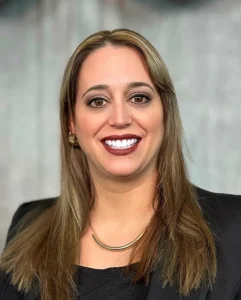
Dr. Christen Simpson Raynes, DDS, MBA
As a third-generation dentist and one of the Top 25 Women in Dentistry, Dr. Christen brings advanced expertise and modern techniques to the practice. She combines her grandfather's and father's legacy with cutting-edge technology.
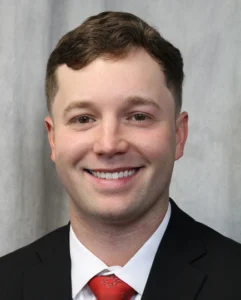
Dr. Chase Preston, DDS
Dr. Preston joined our team to provide exceptional care while maintaining the personal, family-focused approach that sets Simpson Dental apart.
Hear From Our Patients
Don’t just take our word for it. See what patients throughout Charleston are saying about their experience with Simpson Dental.
Explore Our Complete Dental Services
Simpson Dental offers comprehensive dentistry for patients throughout Charleston, WV. From preventive care to advanced restorative procedures, our three-generation practice delivers exceptional results.
- General Dentistry
- Cleanings
- Gum Disease Treatment
- Tooth Extractions
- Dental Botox & Fillers
Visit Us!
Conveniently located in Charleston, West Virginia, Simpson Dental has been serving our community since 1948. Our state-of-the-art facility features the most advanced dental technology in the state, including an on-site dental lab for same-day solutions.
Our central Charleston location makes it easy for patients throughout the Kanawha Valley to access exceptional dental care. We serve patients from Cross Lanes, South Charleston, Dunbar, St. Albans, Beckley, Fayetteville, Lewisburg, and surrounding communities. We also welcome patients from the Huntington area and nearby Ashland, Kentucky, who travel to Charleston for our specialized services and same-day solutions.