
Root canal treatment is a dental procedure designed to save a severely inflamed or infected tooth by removing the damaged or infected pulp within the tooth’s root canal system. Rather than extracting the tooth entirely, this restorative treatment allows you to keep your natural tooth while eliminating pain and preventing further infection. The procedure involves cleaning the canal system, disinfecting it, and sealing it to protect against future bacterial invasion.
At Simpson Dental, we perform the majority of root canal treatments right here in our Charleston, WV office — no referral to a specialist required. Dr. Christen Simpson Raynes and Dr. Chase Preston use advanced digital X-rays and specialized instruments to diagnose and treat root canal infections with precision. For patients with anxiety, we offer sedation dentistry options to ensure you stay comfortable from start to finish. Our on-site dental lab also means we can fabricate same-day or next-visit crowns to restore your tooth faster than practices relying on outside labs.
Signs You Need a Root Canal
More than 15 million root canals are performed annually in the United States. Root canal treatment becomes necessary when the soft tissue inside your tooth — the pulp — becomes inflamed or infected. This pulp contains nerves, blood vessels, and connective tissue that help your tooth develop, but once a tooth reaches maturity it can survive without the pulp because surrounding tissues continue to nourish it.
Several warning signs indicate you may need a root canal:
- Severe or persistent tooth pain, especially when chewing or applying pressure
- Prolonged sensitivity to heat or cold that lingers after the source is removed
- Darkening or discoloration of the tooth
- Swelling or tenderness in the nearby gums
- A persistent pimple-like bump on the gums near the affected tooth
If you are experiencing any of these symptoms, contact Simpson Dental in Charleston, WV as soon as possible. Early treatment reduces the complexity of the procedure and improves long-term outcomes.
Root Canal vs. Tooth Extraction: Why Saving Your Tooth Matters
When a tooth becomes severely infected, patients sometimes wonder whether extraction is a simpler path. In most cases, preserving your natural tooth with root canal therapy is the better long-term choice. Natural teeth function more effectively than any restoration, support healthy jawbone density, and help maintain proper alignment of surrounding teeth.
Extracting a tooth without replacing it leads to bone loss at the extraction site over time, potential shifting of adjacent teeth, and the added cost and time of replacement options like dental implants or bridges. Root canal therapy, by contrast, is typically completed in one to two visits and allows you to keep your natural tooth for years — often a lifetime. At Simpson Dental, our on-site lab means crowns to restore treated teeth can often be fabricated faster than at practices that outsource to external labs.
Do You Need an Endodontist, or Can Your Dentist Perform a Root Canal?
Many patients assume they need a referral to an endodontist for root canal treatment. At Simpson Dental, Dr. Christen Simpson Raynes and Dr. Chase Preston perform the majority of root canal procedures right here in our Charleston, WV office — no specialist referral required. We use advanced digital X-rays and rotary instruments to navigate even complex canal systems with precision. For cases requiring specialized endodontic care beyond our scope, we’ll let you know and help coordinate a referral. But for most patients, you can get the root canal treatment you need without leaving our practice.
Signs You May Need Root Canal Therapy
Root Canal Therapy Financing
Root canal therapy costs vary based on which tooth is treated and its complexity. Front teeth with one root are typically less involved than molars with multiple canals. Simpson Dental accepts most major insurance plans — many cover a portion of root canal therapy, especially when the tooth is restorable. For remaining costs, we offer financing through CareCredit and Proceed Finance. Our team will review your coverage and provide a clear estimate before treatment begins.
The Root Canal Procedure
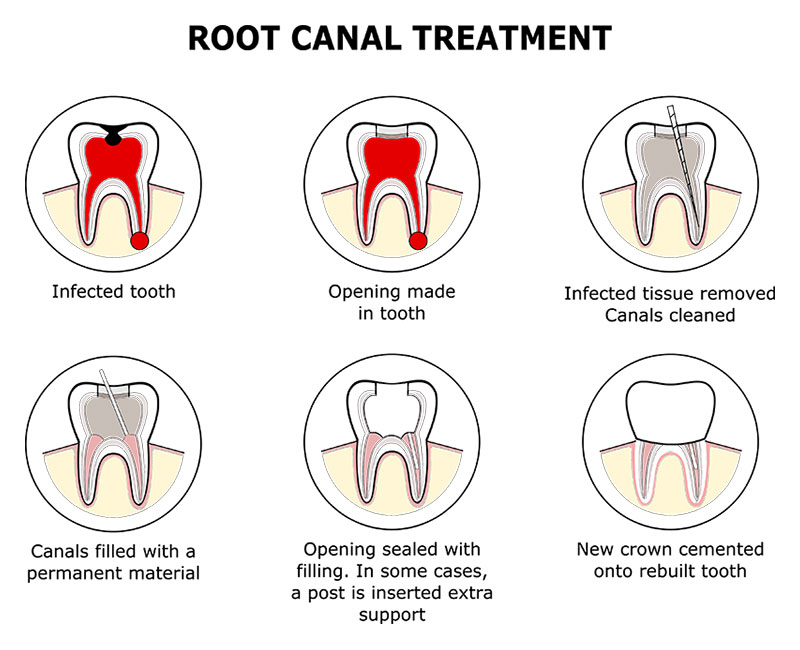
Modern root canal treatment is far more comfortable than its reputation suggests. Most patients report the procedure feels similar to having a routine filling placed. The process typically involves the following stages:
Initial Evaluation
Before performing a root canal, we thoroughly examine the affected tooth, including taking X-rays to assess the structure of the root canals and determine the extent of infection. This helps us build an effective treatment plan tailored to your specific situation.
Preparing for Treatment
We administer local anesthesia during your appointment to ensure you remain comfortable throughout the procedure. We then place a dental dam—a small protective sheet—over the area to keep the tooth clean and free from saliva during treatment.
Removing Infected Pulp
Once you’re comfortable, we create a small access hole in the crown of the tooth to uncover the pulp chamber and root canals. Using specialized instruments, we carefully remove the infected or inflamed pulp tissue. The interior of the canals is then cleaned, shaped, and disinfected to eliminate bacteria and prepare for filling.
Sealing the Tooth
After thorough cleaning, we fill the canals with an organic material called gutta-percha, which is sealed with adhesive cement. We then place a temporary filling to close the access opening until your permanent restoration is ready.
Restoration After Root Canal Treatment
While a root canal procedure is necessary to remove your infection and relieve pain, the restoration process is crucial for your tooth’s long-term health and function. After root canal therapy, your treated tooth may become more brittle and susceptible to fracture. We typically recommend placing a crown over the tooth to safeguard it and restore it to full function. This crown provides strength, prevents fractures, and revives the tooth’s natural appearance.
Thanks to our in-office lab, we can create custom restorations that fit well and look natural more quickly than practices without this capability. This means fewer appointments and less waiting time between procedures for many patients.
Frequently Asked Questions about Root Canal Therapy
How do I know if I need a root canal?
You may need a root canal if you experience severe tooth pain when chewing or touching the tooth, prolonged sensitivity to heat or cold, or noticeable discoloration of the tooth. Swelling or tenderness around the gums, or recurring pimples on the gums, could indicate an infected tooth. These symptoms may result from deep decay or a tooth infection that has spread to the pulp. Early detection and treatment can prevent the need for the tooth to be extracted.
What happens during the root canal procedure?
During the root canal, the dentist will numb the area with local anesthesia to ensure your comfort. Then, a small hole is made in the tooth to access and remove the infected or damaged pulp inside. The root canals are cleaned, shaped, and disinfected to remove bacteria. The area is sealed to prevent future infection. In many cases, a crown is placed over the restored tooth to provide strength and protect the tooth from further damage.
Is it possible to restore a tooth after a root canal?
Yes, after a root canal, the tooth can be restored to its original function and appearance. The tooth may become brittle over time, so it is common for dentists to place a crown over the treated tooth. This crown helps maintain the tooth’s strength and prevents further fractures. The restored tooth continues to function like a natural tooth, allowing for chewing and speaking without issues, and it helps preserve the health of adjacent teeth and the tissues surrounding the treated tooth.
Can a root canal be avoided?
A root canal can often be avoided by practicing good oral hygiene, such as regular brushing, flossing, and visiting your dentist for routine check-ups. Preventing deep cavities and tooth infections is key to reducing the risk of needing endodontic treatment. If you have a tooth with deep decay or notice any symptoms like prolonged sensitivity, it’s important to address the issue promptly. This can prevent the infection from reaching the pulp and requiring a root canal or tooth extraction.
Are endodontically treated teeth more vulnerable to damage?
Root canal retreatment may be necessary if a treated tooth doesn’t heal properly or if new infection develops. This can happen due to complex canal anatomy that was difficult to fully clean the first time, a cracked root, a loose or leaking crown that allowed bacteria back in, or new decay reaching the sealed area. During retreatment, the original filling material is removed, the canals are re-cleaned and inspected — often with magnification tools — and then resealed. At Simpson Dental, we will evaluate whether retreatment is the right option or whether extraction and replacement with a dental implant is a better long-term solution for your specific case.
Is a root canal painful?
Most patients are surprised by how comfortable modern root canal treatment is. We use local anesthesia to keep you completely numb throughout the procedure, and most people say it feels similar to getting a routine filling. For patients with anxiety, we also offer sedation options to help you feel relaxed from start to finish.
Do I need to see a specialist, or can my regular dentist perform a root canal?
In many cases, your general dentist can perform root canal therapy without a referral to an endodontist. At Simpson Dental, our experienced team handles the majority of root canal treatments right here in our Charleston, WV office using advanced technology, including digital X-rays and specialized instruments. We’ll let you know during your evaluation if your case requires specialist involvement.
How long does a root canal take?
Most root canal procedures are completed in one to two appointments, each lasting 60 to 90 minutes depending on the tooth’s complexity. Front teeth with a single root are typically simpler and faster, while back molars with multiple canals may require a bit more time. Our team works efficiently to minimize your time in the chair without rushing your care.
What happens after a root canal — do I need a crown?
In most cases, yes. After root canal therapy, the treated tooth becomes more brittle and susceptible to fracture. We typically recommend placing a crown to protect the tooth and restore it to full strength and function. Thanks to our on-site dental lab, we can fabricate custom crowns faster than practices relying on outside labs, reducing the number of appointments you need.
How much does a root canal cost in Charleston, WV?
Anterior root canals treat the front teeth — incisors and canines — which typically have a single root and a single canal. Posterior root canals treat the back teeth — premolars and molars — which have multiple roots and canals. Anterior teeth are smaller and require access through the back (lingual) surface of the tooth, while posterior teeth are accessed through the chewing surface on top. Molars are generally more complex because they can have three or four canals that must each be thoroughly cleaned and sealed. At Simpson Dental, we use advanced digital X-rays and rotary instruments to navigate the root canal system precisely, regardless of tooth location or complexity.
Trust Simpson Dental for Your Root Canal Treatment
Root canal therapy is a highly effective procedure that can protect your natural tooth and relieve pain for years to come. At Simpson Dental, our focus on comprehensive care means we consider how your oral health affects your overall well-being. Our advanced technology and in-office lab allow us to provide efficient, high-quality treatment customized to your needs.
If you’re experiencing tooth pain or believe you might need root canal treatment, don’t hesitate to contact our experienced team. We’re devoted to helping you maintain a healthy, natural smile through comfortable, effective dental care. Contact Simpson Dental today at (304) 342-6162 or through our contact form to schedule your consultation.
Meet Your Charleston Dentists
When you choose Simpson Dental, you’re choosing a team with three generations of experience serving Charleston, WV. Our doctors combine advanced training with a genuine commitment to patient care.
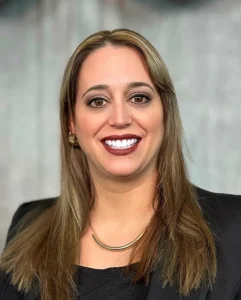
Dr. Christen Simpson Raynes, DDS, MBA
As a third-generation dentist and one of the Top 25 Women in Dentistry, Dr. Christen brings advanced expertise and modern techniques to the practice. She combines her grandfather's and father's legacy with cutting-edge technology.
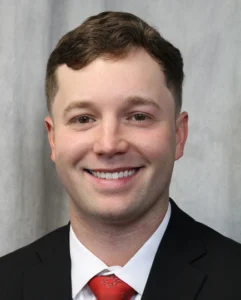
Dr. Chase Preston, DDS
Dr. Preston joined our team to provide exceptional care while maintaining the personal, family-focused approach that sets Simpson Dental apart.
Hear From Our Patients
Don’t just take our word for it. See what patients throughout Charleston are saying about their experience with Simpson Dental.
Explore Our Complete Dental Services
Simpson Dental offers comprehensive dentistry for patients throughout Charleston, WV. From preventive care to advanced restorative procedures, our three-generation practice delivers exceptional results.
- General Dentistry
- Cleanings
- Gum Disease Treatment
- Tooth Extractions
- Dental Botox & Fillers
Visit Us!
Conveniently located in Charleston, West Virginia, Simpson Dental has been serving our community since 1948. Our state-of-the-art facility features the most advanced dental technology in the state, including an on-site dental lab for same-day solutions.
Our central Charleston location makes it easy for patients throughout the Kanawha Valley to access exceptional dental care. We serve patients from Cross Lanes, South Charleston, Dunbar, St. Albans, Beckley, Fayetteville, Lewisburg, and surrounding communities. We also welcome patients from the Huntington area and nearby Ashland, Kentucky, who travel to Charleston for our specialized services and same-day solutions.