Dental implants are one of the most effective ways to restore a complete, confident smile, but protecting that investment requires ongoing attention. Peri-implantitis, an inflammatory condition affecting the tissue and bone surrounding an implant, is more common than most patients realize. According to a 2022 systematic review published in BMC Oral Health, peri-implantitis affects nearly one in five implant patients at the patient level, making prevention a top priority for anyone who has received or is considering dental implants.
At Simpson Dental PLLC in Charleston, West Virginia, Dr. Christen Simpson Raynes and Dr. Chase Preston are committed to helping patients protect their smiles for the long haul. Our practice has served the Charleston community with high-quality, comprehensive dental care, and our team understands what it takes to keep implants healthy well beyond placement day. From personalized hygiene guidance to advanced monitoring technology, we are here to help you maintain the results you worked hard to achieve.
What Is Peri-Implantitis?
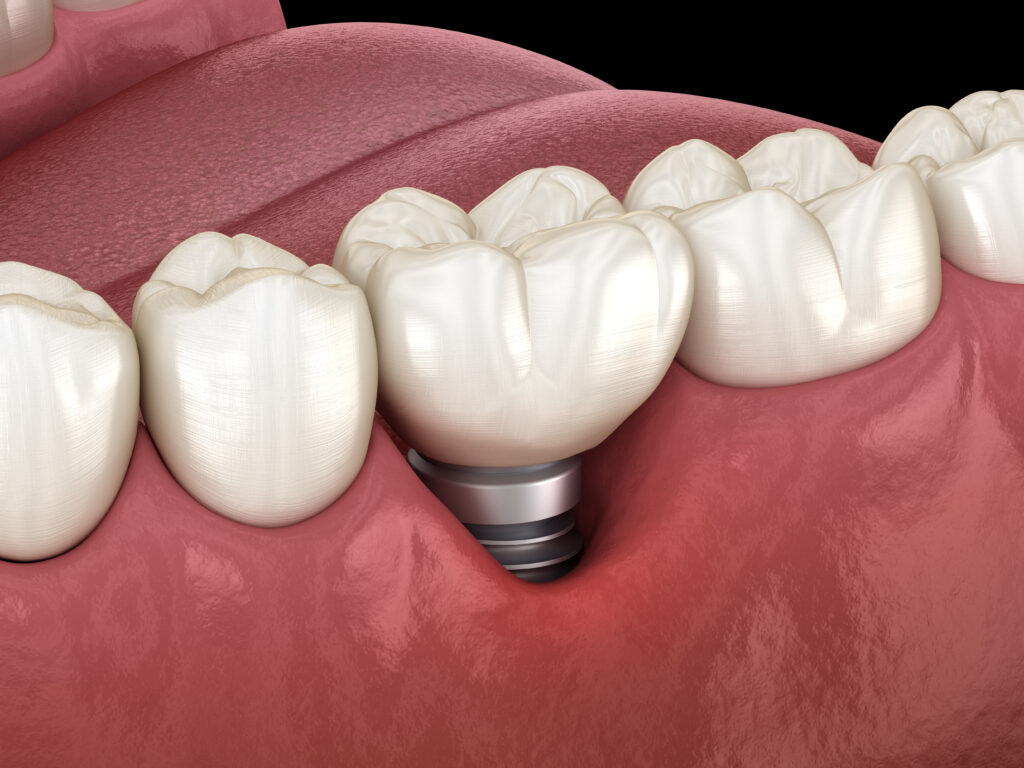
Peri-implantitis is a bacterial infection that develops around a dental implant, causing inflammation of the surrounding soft tissue and, over time, bone loss. It shares similarities with gum disease in natural teeth but progresses more quickly due to the implant’s lack of a periodontal ligament. In its early stages, peri-implantitis may present with redness, swelling, or bleeding around the implant site. Left unaddressed, the condition can compromise the stability of the implant itself. Understanding the early warning signs is essential because catching changes early allows for less invasive intervention and a much better long-term outcome for your smile.
Key Risk Factors to Know
Several factors can raise a person’s likelihood of developing peri-implantitis. Knowing what they are puts you in a better position to manage them proactively and work closely with our team to minimize your risk.
Some of the most well-documented contributing factors include:
- Tobacco use: Smoking significantly impairs healing and reduces blood flow to oral tissues, creating an environment where bacteria thrive around implants.
- Uncontrolled blood sugar: Patients with poorly managed diabetes may experience slower tissue healing and increased susceptibility to infection following implant placement.
- History of gum disease: Prior or active gum disease can introduce bacteria that affect peri-implant tissues and elevate the risk of complications.
- Poor oral hygiene: Plaque accumulation around implants is a primary driver of peri-implant inflammation and should be actively managed with daily cleaning.
- Infrequent dental visits: Skipping maintenance appointments reduces the opportunity to detect early changes before they develop into more serious concerns.
Addressing these factors is not about perfection; it is about building consistent habits that support long-term implant health alongside your dental team.
Daily Habits That Make a Difference
Brushing and Flossing Around Implants
Keeping the area around an implant clean is one of the most powerful things you can do every day. Soft-bristle toothbrushes, water flossers, and implant-specific interdental brushes are all helpful tools for removing plaque without damaging implant surfaces. Standard floss can still be used around most implants, though the technique may differ slightly from natural teeth. Our team can walk you through the right approach for your specific restoration so you feel confident at home.
Staying Consistent with Professional Cleanings
No matter how diligent your home care routine is, professional dental cleanings remain an essential part of maintaining healthy implants. During these visits, our team removes calculus and buildup that home tools cannot reach, and we assess the health of the surrounding tissue and bone. Catching subtle changes early is what allows us to intervene before a minor concern becomes a major issue. Most implant patients benefit from cleanings every three to six months, though your individual needs may vary.
How Our Team Supports Long-Term Implant Health
At Simpson Dental PLLC, we take implant aftercare seriously. Our on-site dental lab, staffed by three full-time technicians with a combined 60 years of experience, allows us to monitor restorations and make adjustments efficiently when needed. Dr. Christen Simpson Raynes and Dr. Chase Preston use advanced imaging, including digital X-rays and panoramic scans, to track bone levels around implants over time. These visits also allow us to check for fit, wear, and any other changes that may affect how your implant is functioning day to day.
Schedule Your Implant Maintenance Visit at Simpson Dental PLLC
Protecting your implants is a partnership, and our doctors and team are ready to support you every step of the way. Whether you are years into life with implants or just starting your restoration, we are here to help you stay ahead of potential complications with care grounded in experience, technology, and genuine commitment to your health.
We invite you to contact us today to schedule your next implant maintenance appointment. At Simpson Dental PLLC, a three-generation family practice serving Charleston, West Virginia, your long-term smile health is always our priority.
Frequently Asked Questions About Peri-Implantitis
What are the early warning signs of peri-implantitis?
Early signs of peri-implantitis include redness, swelling, or tenderness of the gum tissue immediately surrounding an implant, as well as bleeding when the area is gently probed or cleaned. Some patients notice a slight increase in sensitivity around the implant site or a change in how the area looks and feels. Because symptoms can be subtle in the early stages, regular professional monitoring is essential so that any changes are identified before significant bone loss occurs.
Early signs of peri-implantitis include redness, swelling, or tenderness of the gum tissue immediately surrounding an implant, as well as bleeding when the area is gently probed or cleaned. Some patients notice a slight increase in sensitivity around the implant site or a change in how the area looks and feels. Because symptoms can be subtle in the early stages, regular professional monitoring is essential so that any changes are identified before significant bone loss occurs.
Can peri-implantitis be treated if it is caught early?
Yes. When identified in its early stages, peri-implantitis can often be managed with non-surgical approaches such as professional cleaning of the implant surface, antimicrobial treatment, and improved home care. More advanced cases that have resulted in significant bone loss may require surgical intervention to clean the affected area and, in some instances, bone regeneration procedures. Early detection through routine maintenance appointments is the most reliable way to keep treatment straightforward and avoid more complex interventions.
Yes. When identified in its early stages, peri-implantitis can often be managed with non-surgical approaches such as professional cleaning of the implant surface, antimicrobial treatment, and improved home care. More advanced cases that have resulted in significant bone loss may require surgical intervention to clean the affected area and, in some instances, bone regeneration procedures. Early detection through routine maintenance appointments is the most reliable way to keep treatment straightforward and avoid more complex interventions.
How often should I have my dental implants professionally cleaned?
Most implant patients benefit from professional cleanings every three to six months rather than the standard twice-yearly schedule for patients with natural teeth only. The appropriate interval depends on your personal risk factors, including your history of gum disease, how well you manage daily oral hygiene, and any systemic health conditions that may affect your susceptibility to infection. Your dental team will recommend a schedule tailored to your specific situation and adjust it over time as needed.
Most implant patients benefit from professional cleanings every three to six months rather than the standard twice-yearly schedule for patients with natural teeth only. The appropriate interval depends on your personal risk factors, including your history of gum disease, how well you manage daily oral hygiene, and any systemic health conditions that may affect your susceptibility to infection. Your dental team will recommend a schedule tailored to your specific situation and adjust it over time as needed.
Will smoking affect the long-term success of my dental implants?
Smoking is one of the most consistently documented risk factors for both implant failure and peri-implantitis. Tobacco use reduces blood flow to oral tissues, impairs the body’s ability to fight infection, and slows the healing process after implant placement. Patients who smoke have measurably higher rates of peri-implant complications compared to non-smokers. Quitting smoking before and after implant placement significantly improves the odds of a successful, lasting outcome and is one of the most impactful steps a patient can take to protect their implant.
Smoking is one of the most consistently documented risk factors for both implant failure and peri-implantitis. Tobacco use reduces blood flow to oral tissues, impairs the body’s ability to fight infection, and slows the healing process after implant placement. Patients who smoke have measurably higher rates of peri-implant complications compared to non-smokers. Quitting smoking before and after implant placement significantly improves the odds of a successful, lasting outcome and is one of the most impactful steps a patient can take to protect their implant.
Is peri-implantitis the same as gum disease?
Peri-implantitis and gum disease (periodontitis) are related but not identical conditions. Both are bacterial infections that cause inflammation and bone loss in the mouth, and a history of gum disease is a known risk factor for developing peri-implantitis. However, peri-implantitis specifically affects the tissue and bone surrounding a dental implant and tends to progress more rapidly than periodontitis around natural teeth, partly because implants lack the periodontal ligament that helps protect natural tooth roots. Treatment approaches also differ based on the nature of the implant surface.
Peri-implantitis and gum disease (periodontitis) are related but not identical conditions. Both are bacterial infections that cause inflammation and bone loss in the mouth, and a history of gum disease is a known risk factor for developing peri-implantitis. However, peri-implantitis specifically affects the tissue and bone surrounding a dental implant and tends to progress more rapidly than periodontitis around natural teeth, partly because implants lack the periodontal ligament that helps protect natural tooth roots. Treatment approaches also differ based on the nature of the implant surface.
ABOUT THE AUTHOR
Dr. Christen Simpson Raynes
Dentist, Simpson Dental PLLC — Charleston, WV
Dr. Christen Simpson Raynes is a third-generation dentist at Simpson Dental PLLC in Charleston, West Virginia, a practice her family founded in 1948. She and her partner Dr. Chase Preston have collectively restored over 6,000 dental implants and lead a team that delivers same-day implant solutions through an on-site lab staffed by technicians with a combined 60 years of experience.
Schedule a Consultation