Imagine making a single decision today that could transform your smile for the next three decades. The question isn’t just whether dental implants will last, but how this one investment can free you from the cycle of repeated dental procedures, dietary restrictions, and the constant worry that your teeth will fail you when you need them most. Fortunately, with quality care, dental implants can last 25 years or more, making them the closest thing to getting your natural teeth back.
At Simpson Dental PLLC, we help patients understand why dental implants are a valuable long-term contribution to their oral health and confidence. With our generational approach to dentistry and advanced implant technology, we guide you through every step of the process to ensure your implants provide lasting results for years to come.
Understanding the Lifespan of Dental Implants
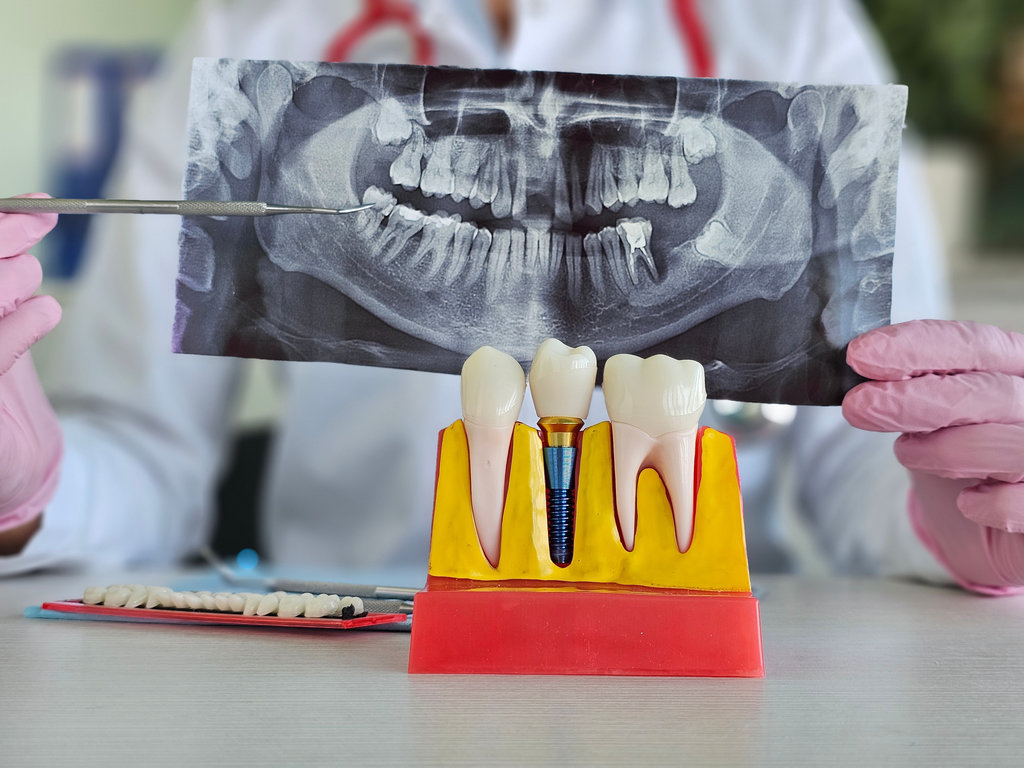
The lifespan of your dental implants depends on several key factors. The titanium post, which serves as the replacement tooth root, can last a lifetime when properly maintained and cared for. This biocompatible material integrates with your jawbone through a process called osseointegration, creating a strong foundation that mimics natural tooth roots.
The lifespan of your dental implants depends on several key factors. The titanium post, which serves as the replacement tooth root, can last a lifetime when properly maintained and cared for. This biocompatible material integrates with your jawbone through a process called osseointegration, creating a strong foundation that mimics natural tooth roots. The crown portion of your implant may need replacement after 15 to 20 years due to normal wear and tear. However, when compared to other tooth replacement options, dental implants consistently outperform alternatives. Traditional bridges typically last 10 to 15 years, while removable dentures may need replacement every 5 to 7 years. Your oral hygiene habits also play a vital role in sustaining the longevity of your implants. Regular brushing, flossing, and professional dental cleanings help prevent complications around the implant site. Additionally, avoiding habits like smoking and excessive teeth grinding can considerably extend the life of your implants.
Your oral hygiene habits also play a vital role in sustaining the longevity of your implants. Regular brushing, flossing, and professional dental cleanings help prevent complications around the implant site. Additionally, avoiding habits like smoking and excessive teeth grinding can considerably extend the life of your implants.
Factors That Influence the Success of Your Dental Implant
Several elements contribute to the long-term success of your dental implants. Your overall health at the time of placement affects how well your body integrates with the implant. Patients with well-managed health conditions typically experience excellent outcomes.
The quality of your jawbone also impacts implant longevity. Adequate bone density and volume provide the necessary support for long-lasting implants. If bone loss has developed, bone grafting procedures can restore the foundation needed for successful implant placement.
Proper Maintenance Requirements
Maintaining your dental implants requires consistent daily care, similar to that of natural teeth. Brushing twice daily and using antimicrobial toothpaste helps prevent bacterial buildup around the implant site.
Regular dental visits allow us to track your implants and correct any concerns early. Unfortunately, 100 million Americans skip these crucial appointments each year, despite the fact that consistent dental care can prevent most dental complications. Professional cleanings remove plaque and tartar that everyday brushing might miss, while routine examinations help detect potential issues before they become serious problems.
Long-Term Cost Benefits
While dental implants require a greater initial investment, their longevity makes them more economical in the long run. Unlike bridges that may require replacement multiple times throughout your life, a single implant can serve you for decades. This reduces the need for future dental procedures and associated costs.
Implants also help preserve your jawbone structure, preventing the facial changes and additional dental problems that can occur with missing teeth. This preventive aspect adds value beyond the immediate benefits of tooth replacement.
Why Choose Simpson Dental PLLC for Your Investment
When considering such an important investment in your oral health, choosing the right dental team makes all the difference. Our practice has served Charleston, West Virginia, for over 75 years, dating back to when Dr. Bob founded our practice in 1948. Today, Dr. Christen Simpson Raynes and Dr. Chase Preston continue this legacy of excellence with the most advanced dental technology in the state. We use hybrid ceramic zirconia implants and state-of-the-art techniques to ensure high-quality results for our patients.Our mission to use the finest materials and most sophisticated methods helps maximize the longevity of your dental implants. When you trust your smile to our experienced team, you receive not only exceptional dental care but also the peace of mind that comes from working with a practice dedicated to long-term patient relationships. Contact Simpson Dental PLLC today to learn more about how dental implants can deliver a lasting solution for missing teeth. Call us at (304) 342-6162 or schedule your consultation to discover why dental implants represent one of the best investments you can make in your oral health.
Frequently Asked Questions About Dental Implant Longevity
How long do dental implants typically last?
The titanium implant post itself can last a lifetime when properly cared for, since it integrates with the jawbone through a process called osseointegration. The crown portion of the implant may need replacement after 15 to 20 years due to normal wear and tear. With consistent oral hygiene and regular dental visits, most patients can expect their implants to deliver decades of reliable function.
The titanium implant post itself can last a lifetime when properly cared for, since it integrates with the jawbone through a process called osseointegration. The crown portion of the implant may need replacement after 15 to 20 years due to normal wear and tear. With consistent oral hygiene and regular dental visits, most patients can expect their implants to deliver decades of reliable function.
What factors most affect how long dental implants last?
The most significant factors include your daily oral hygiene routine, whether you smoke, whether you grind your teeth, and the quality of the initial placement and restoration. Patients with well-controlled health conditions and adequate bone density at the time of placement generally experience the best long-term outcomes. Avoiding habits like chewing ice or using your teeth as tools also reduces the risk of premature wear on the crown.
The most significant factors include your daily oral hygiene routine, whether you smoke, whether you grind your teeth, and the quality of the initial placement and restoration. Patients with well-controlled health conditions and adequate bone density at the time of placement generally experience the best long-term outcomes. Avoiding habits like chewing ice or using your teeth as tools also reduces the risk of premature wear on the crown.
Are dental implants worth the cost compared to bridges or dentures?
When you consider the full timeline, dental implants often prove more cost-effective than alternatives. Traditional bridges typically need replacement every 10 to 15 years, and they require modifying adjacent healthy teeth. Removable dentures may need relining, repairs, and replacement as the jaw changes over time. Implants eliminate these recurring costs and preserve the jawbone in a way that dentures cannot, adding value beyond direct tooth replacement.
When you consider the full timeline, dental implants often prove more cost-effective than alternatives. Traditional bridges typically need replacement every 10 to 15 years, and they require modifying adjacent healthy teeth. Removable dentures may need relining, repairs, and replacement as the jaw changes over time. Implants eliminate these recurring costs and preserve the jawbone in a way that dentures cannot, adding value beyond direct tooth replacement.
Do dental implants require special cleaning or maintenance?
Implants are cared for much like natural teeth. Brushing twice daily, flossing around the implant posts, and using antimicrobial rinses as recommended all help maintain implant health. Professional cleanings allow our team to remove tartar and check the health of the tissue and bone around the implant. Staying current on these visits is one of the most important things you can do to protect your long-term investment.
Implants are cared for much like natural teeth. Brushing twice daily, flossing around the implant posts, and using antimicrobial rinses as recommended all help maintain implant health. Professional cleanings allow our team to remove tartar and check the health of the tissue and bone around the implant. Staying current on these visits is one of the most important things you can do to protect your long-term investment.
Can dental implants fail, and what are the warning signs?
Implant failure is uncommon when patients are properly selected and follow post-operative care guidelines, but it can occur. Early warning signs include persistent pain or discomfort at the implant site, swelling that does not resolve, or a feeling that the implant is loose. If you notice any of these changes, contacting our office promptly gives us the best opportunity to evaluate the situation and address it before further complications develop.
Implant failure is uncommon when patients are properly selected and follow post-operative care guidelines, but it can occur. Early warning signs include persistent pain or discomfort at the implant site, swelling that does not resolve, or a feeling that the implant is loose. If you notice any of these changes, contacting our office promptly gives us the best opportunity to evaluate the situation and address it before further complications develop.
ABOUT THE AUTHOR
Dr. Christen Simpson Raynes
Dentist, Simpson Dental PLLC — Charleston, WV
Dr. Christen Simpson Raynes is a third-generation dentist at Simpson Dental PLLC in Charleston, West Virginia, a practice her family founded in 1948. She and her partner Dr. Chase Preston have collectively restored over 6,000 dental implants and lead a team that delivers same-day implant solutions through an on-site lab staffed by technicians with a combined 60 years of experience.
Schedule a Consultation