Missing teeth can make it difficult to eat, speak, and smile with confidence. If you’ve been searching for a reliable solution to restore your smile, dental implants may be the perfect option. They’re designed to look and function like natural teeth, offering a long-lasting way to regain comfort and confidence. Understanding what will happen during your dental implant procedure and the qualities required to make you a good candidate is vital in deciding if this treatment is the right solution to replace your missing teeth and rebuild your smile.
At Simpson Dental, we understand the effect missing teeth can have on your everyday life and confidence. Since 1948, our family has been providing trusted care with advanced solutions like dental implants. With personalized treatment plans and state-of-the-art technology, we’re here to help you restore your smile and oral health.
What Are Dental Implants?
When you lose a tooth or need a tooth extracted because of damage or infection, your dentist might suggest a dental implant to fill the missing hole. A dental implant is used to restore function and visual appeal to your smile while preventing damage caused by a missing space in the mouth. When a missing tooth is left open, the underlying bone tissue can start to deteriorate. The artificial tooth root created by a dental implant can help stimulate the jawbone and prevent additional bone loss.
Dental implants are made up of three components:
- Titanium post
- Abutment
- Dental crown
During your procedure, a small incision will be made in your gum to expose your jawbone. A hole will then carefully be drilled into the jawbone for the titanium post to screw into. Your dentist will stitch your gum tissue back in place for your implant to heal. Initial healing typically takes about one week, but complete healing, known as osseointegration, can take three to nine months while your jawbone and implant completely fuse. Once you have adequately healed from your initial procedure, an abutment or connector piece can be attached to the post to support your permanent crown. At Simpson Dental, we are proud to offer in-house restorations for our patients to eliminate the need to have a dental crown made in an outside lab.
Are You a Candidate for Dental Implants?
The ideal candidate for a dental implant is a non-smoker with healthy gum tissue and strong bone density. While smoking doesn’t necessarily rule you out as a candidate for dental implants, it does put you at a higher risk for complications. Smoking can constrict the blood supply to the jawbone and hinder your body’s ability to heal. You should also have a good oral health foundation before getting a dental implant. If you have gum disease, it should be addressed before your procedure, as dental implants can worsen these conditions. Poor oral health also puts you at a higher risk of implant failure. Brushing your teeth twice daily, flossing, and getting routine dental checkups are crucial in keeping your teeth healthy before and after your dental implant procedure. In some cases, you might need bone grafting before your implant procedure to ensure you have enough quality bone tissue to support your dental implant fully. In this case, your dentists will extract bone from another part of your body or from an outside source to attach to your jawbone. This adds additional reinforcement to your dental implant, creating a secure foundation that can withstand the everyday stressors put on the teeth when talking and chewing. If you have any questions about your ability to get a dental implant, please contact us to set up a consultation and discuss your treatment options.
In some cases, you might need bone grafting before your implant procedure to ensure you have enough quality bone tissue to support your dental implant fully. In this case, your dentists will extract bone from another part of your body or from an outside source to attach to your jawbone. This adds additional reinforcement to your dental implant, creating a secure foundation that can withstand the everyday stressors put on the teeth when talking and chewing. If you have any questions about your ability to get a dental implant, please contact us to set up a consultation and discuss your treatment options.
Restore Your Smile With Simpson Dental
At Simpson Dental, we’ve spent decades helping patients achieve healthier, more confident smiles. Whether you’re missing a single tooth or several teeth, dental implants provide a durable, natural-looking solution that can restore both your oral health and self-esteem. With our on-site dental lab and personalized approach, we ensure your implant experience is seamless from start to finish.
If you’re ready to explore whether dental implants are right for you, let us help. Our team combines generational expertise with advanced technology to deliver results you can trust. Call Simpson Dental today at (304) 342-6162 or visit our contact form to schedule your consultation.
Frequently Asked Questions About Dental Implants
How do I know if I’m a good candidate for dental implants?
Good candidates are adults with fully developed jawbones who have adequate bone density, healthy gum tissue, and no active oral infections. Non-smokers or those willing to quit tend to heal more successfully. Conditions like diabetes or certain medications may require additional consideration but do not automatically disqualify you. The most reliable way to determine candidacy is a consultation that includes detailed imaging to evaluate your specific bone structure and oral health.
Good candidates are adults with fully developed jawbones who have adequate bone density, healthy gum tissue, and no active oral infections. Non-smokers or those willing to quit tend to heal more successfully. Conditions like diabetes or certain medications may require additional consideration but do not automatically disqualify you. The most reliable way to determine candidacy is a consultation that includes detailed imaging to evaluate your specific bone structure and oral health.
What happens to my jawbone if I don’t replace a missing tooth?
Bone resorption begins within weeks of losing a tooth. Without a root to stimulate the jawbone, the body begins reabsorbing the bone tissue in that area. Over time, this can lead to changes in your facial structure, cause neighboring teeth to shift, and make future implant placement more complex by requiring bone grafting first. Replacing the tooth promptly with an implant preserves the bone by replicating the stimulation a natural root provides.
Bone resorption begins within weeks of losing a tooth. Without a root to stimulate the jawbone, the body begins reabsorbing the bone tissue in that area. Over time, this can lead to changes in your facial structure, cause neighboring teeth to shift, and make future implant placement more complex by requiring bone grafting first. Replacing the tooth promptly with an implant preserves the bone by replicating the stimulation a natural root provides.
How does a dental implant compare to a dental bridge for replacing a missing tooth?
An implant replaces the entire tooth, root and all, without affecting adjacent healthy teeth. A bridge spans the gap by grinding down the two neighboring teeth to support a false tooth between them. Implants preserve the jawbone through stimulation, while the bone beneath a bridge continues to shrink. Implants typically last far longer and require no special cleaning tools. Bridges cost less upfront but often need replacement within 10 to 15 years, whereas a well-maintained implant can last a lifetime.
An implant replaces the entire tooth, root and all, without affecting adjacent healthy teeth. A bridge spans the gap by grinding down the two neighboring teeth to support a false tooth between them. Implants preserve the jawbone through stimulation, while the bone beneath a bridge continues to shrink. Implants typically last far longer and require no special cleaning tools. Bridges cost less upfront but often need replacement within 10 to 15 years, whereas a well-maintained implant can last a lifetime.
How long does it take to fully recover from dental implant surgery?
The surgical site typically feels normal within one to two weeks, and most patients return to regular activities within a few days. The deeper healing process — called osseointegration, where the implant fuses with the jawbone — takes three to nine months. The final crown or restoration is usually placed after this fusion is complete. Patients who qualify for same-day implant procedures can leave with a temporary tooth on the day of surgery, shortening the visible gap period significantly.
The surgical site typically feels normal within one to two weeks, and most patients return to regular activities within a few days. The deeper healing process — called osseointegration, where the implant fuses with the jawbone — takes three to nine months. The final crown or restoration is usually placed after this fusion is complete. Patients who qualify for same-day implant procedures can leave with a temporary tooth on the day of surgery, shortening the visible gap period significantly.
Can dental implants fail, and how can I reduce that risk?
Implant failure is uncommon — overall success rates exceed 95% — but it can occur. The most common causes include inadequate bone density that was not properly addressed before placement, active gum disease left untreated, smoking, and uncontrolled systemic conditions like diabetes. Reducing your risk involves choosing an experienced implant team, maintaining excellent oral hygiene throughout the healing period, attending all follow-up appointments, and following post-surgical care instructions closely.
Implant failure is uncommon — overall success rates exceed 95% — but it can occur. The most common causes include inadequate bone density that was not properly addressed before placement, active gum disease left untreated, smoking, and uncontrolled systemic conditions like diabetes. Reducing your risk involves choosing an experienced implant team, maintaining excellent oral hygiene throughout the healing period, attending all follow-up appointments, and following post-surgical care instructions closely.
ABOUT THE AUTHOR
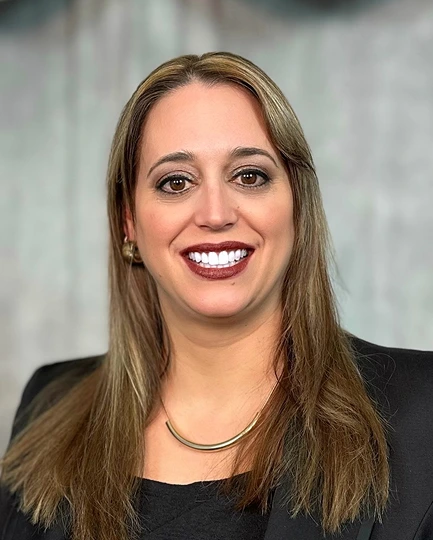
Dr. Christen Simpson Raynes
Dentist, Simpson Dental PLLC — Charleston, WV
Dr. Christen Simpson Raynes is a third-generation dentist at Simpson Dental PLLC in Charleston, West Virginia, a practice her family founded in 1948. She and her partner Dr. Chase Preston have collectively restored over 6,000 dental implants and lead a team that delivers same-day implant solutions through an on-site lab staffed by technicians with a combined 60 years of experience.
Schedule a Consultation